About this species
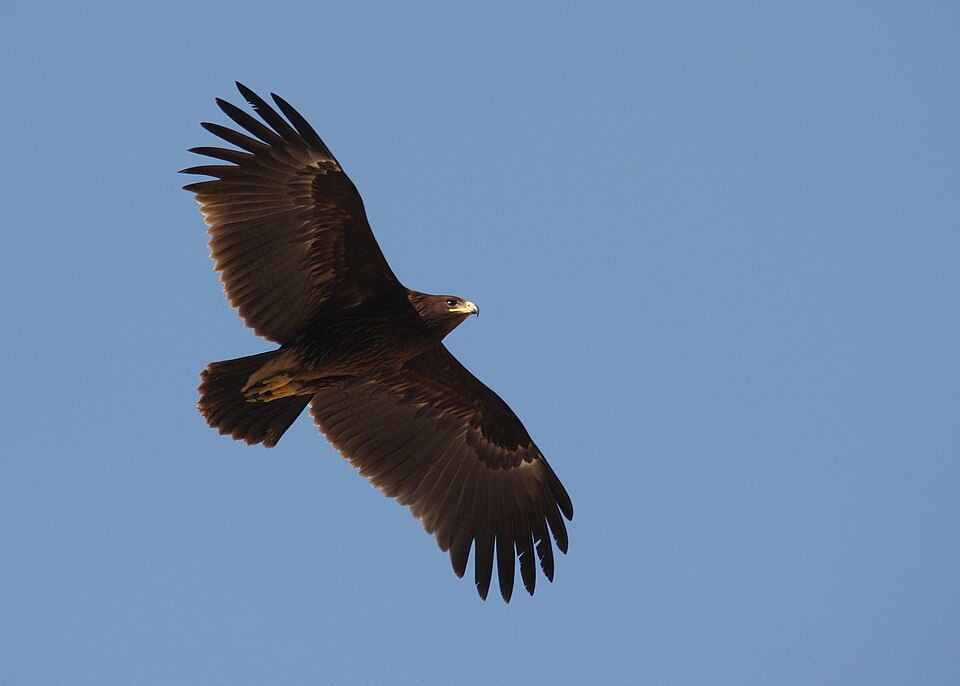
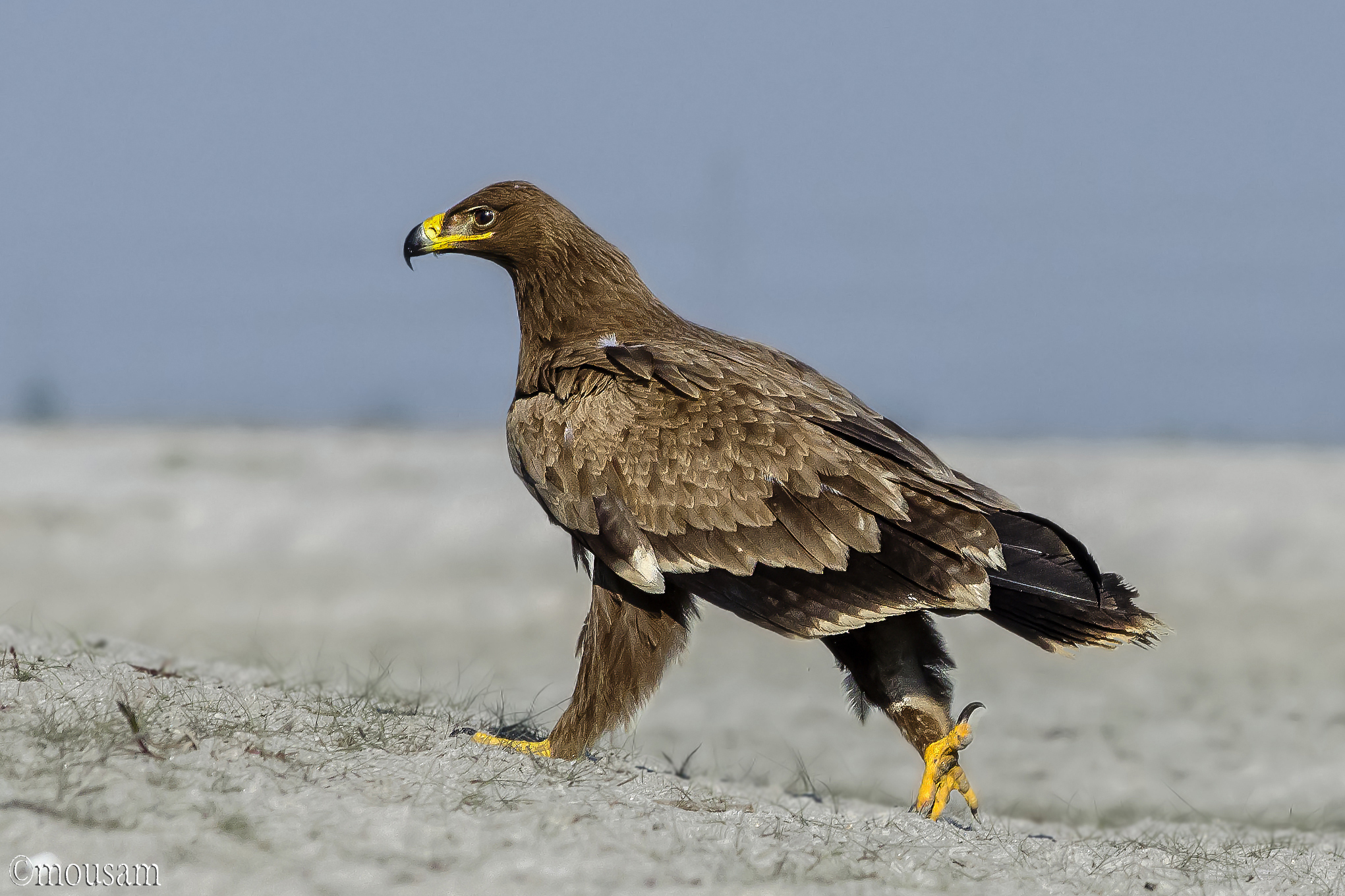
The Steppe Eagle (Aquila nipalensis) is a large migratory raptor of the open steppes, grasslands, and semi-desert regions of Eurasia. Within the Central Asian Flyway (CAF), it breeds across Kazakhstan, Mongolia, Russia, and northwestern China, with the eastern subspecies (A. n. nipalensis) migrating south to winter mainly in the Indian subcontinent, while the western subspecies (A. n. orientalis) winters in the Middle East and Africa. The species inhabits open grasslands, steppes, and semi-deserts, nesting on the ground, rocky outcrops, trees, and increasingly on artificial structures such as power poles. It feeds primarily on small mammals, particularly ground squirrels and marmots, but also consumes birds, reptiles, insects, and carrion, especially during migration and winter. Globally classified as Endangered, the species has undergone rapid population declines due to habitat loss, electrocution on power infrastructure, poisoning, reduced prey availability, and veterinary drug toxicity, highlighting the need for coordinated conservation across its breeding, migratory, and wintering range. The Steppe Eagle is an iconic raptor of the Central Asian steppes and is widely regarded as a symbol of the region's open grasslands and nomadic heritage.