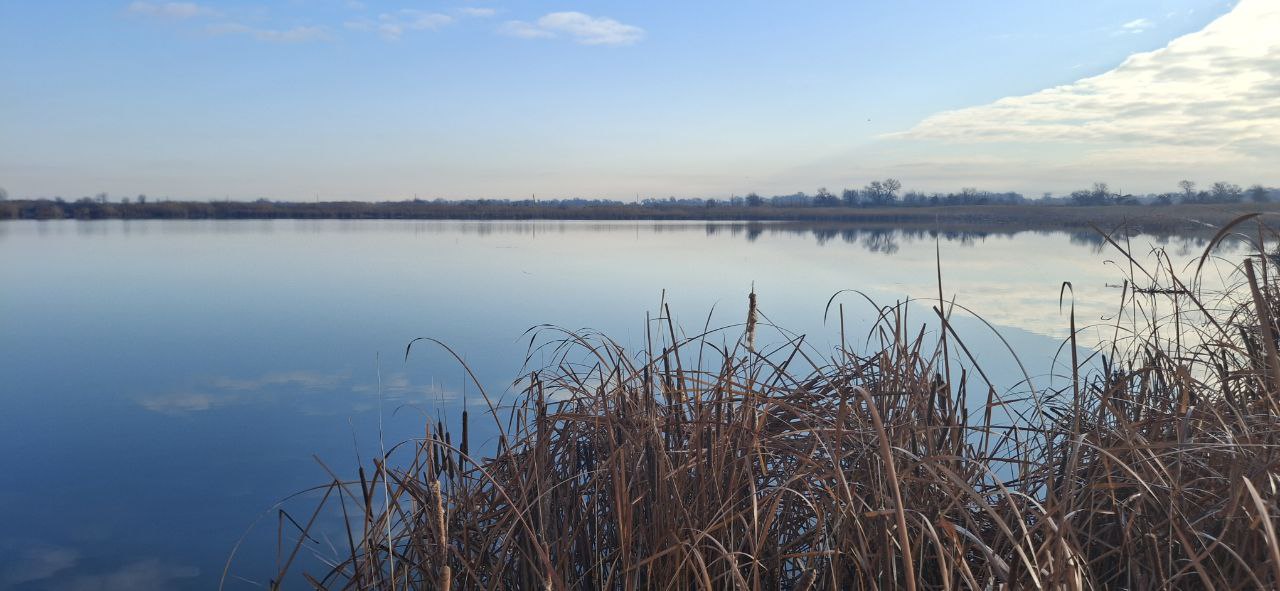
From 15 June to 4 July nesting habitats of the Steppe Eagle in West Kazakhstan region were surveyed with the additional financial support of Hans Seidel Foundation Korea. 109 nesting structures of Steppe Eagle were identified and checked. 5 chicks were tagged with Aquila GSM-GPS trackers. Tracking data has also been uploaded to the Movebank international database for further migration monitoring and analysis of important data collected, alongside the data from other countries within the flyway.
The ACBK team surveyed powerlines in West Kazakhstan including Lower reaches of the Aschiozek River, Kamysh-Samarskie Lakes, and Mugodzhary in Aktobe region, to identify sites of mass bird mortality and assess the level of danger posed by the lines.
Data collection was carried out using the Survey123 programme to record the location of carcasses along with photographs. In the West Kazakhstan region, 248km of the 329km of powerlines inspected were found to be hazardous, and 218km of 425km in the Aktobe region. The vast majority of birds died from electrocution. Bird mortality reached up to 44 individuals per 10km in certain areas.
GIS layers and a Map of Transmission Infrastructure and priority areas for protection within two key Steppe eagle areas has been produced.
ACBK has published an article in the scientific zoological journal Selevinia, outlining methodologies for securing monetary compensation for damages to biodiversity.
On February 8, during the meeting conducted by ACBK in Astana for young conservationists and residents interested in birds, a short lecture was given on the problem of bird mortality on powerlines and information was announced about the training.
Online training on birds mortality and data gathering for key stakeholders (protected areas specialists, conservationists, conservation bodies) was held on February 20, 2025.
ACBK created a database of major power line owners/operators to keep them informed about the bird mortality issue, legislation measures and further. All owners and operators were informed about our work on this issue and willingness to cooperate and provide recommendations on technical improvement of power lines in order to avoid bird deaths on it.
ACBK has provided a technical assistance to the UNDP and the Ministry of ecology and natural resources under the contract on developing the draft of the NBSAP. This draft was developed witin the wide consultations with stakeholders, including also experts and organization which have expertise on birds. Specific targets and activites for development research on flyways and birds, mitigation measures were included to the draft of the NBSAP.
Guidance for Steppe Eagle monitoring in Kazakhstan has been updated. Analysis of the relevance of the material was carried out, information is added in accordance with the research of recent years. Supplementary information was also added to the technical recommendations on monitoring, which correspond to the international best practice and available technologies, to improve the quality of the species monitoring and enhance the involvement of key stakeholders including state protected areas, provincial conservation bodies, powerline operating companies, and ornithologists.
Illustrated book on Steppe Eagles for children is developed and ready for publishing.
The Kazakh (1,000 copies) and Russian (500 copies) versions were printed process and will then be distributed for free to key institutions across Kazakhstan to build awareness and knowledge. By producing this attractive, compelling, informative book on Steppe eagles and their lives in the Kazakh language for the first time represents a strategically important publication. This new education tool will inform and engage children and adults. The launch of the book has been conducted in July in Astana. More than 70 people attended the event: schoolchildren, students, members of the ACBK, environmental experts, and journalists.
On January 10, a consultative meeting of international and national experts on Steppe Eagle species was held. The meeting was attended by 22 representatives from 12 countries, including the Convention on Migratory Species (CMS) Head of Raptors MoU Coordinating Unit whose participation proved vital to the discussion. They provided key recommendations for developing an International Species Action Plan.
An overview report has been prepared on national priorities in readiness for inclusion in the CMS International Species Action Plan with recommendations, including an analysis of published and unpublished data on the state of the Steppe eagle population in Kazakhstan, threats, and measures to enable protection and recovery of the species.
The visit of Altyn Dala representatives to Saudi Arabia was highly successful. The first segment of the trip took place in Riyadh during the 16th Conference of the Parties (COP16) to the United Nations Convention to Combat Desertification (UNCCD), which emphasized prioritizing land restoration and drought resilience in steppe grasslands. Also, during negotiations with our partners, ACBK and RSPB had a unique opportunity to visit one of the most ambitious and progressive environmental initiatives in the Middle East - The Royal Commission for AlUla - Wildlife & Natural Heritage Team. The purpose of this visit was to facilitate an exchange between two significant landscape and species recovery projects. The culmination and highlight of the visit was presenting a seminar where we shared our achievements, priorities and strategies, including a specific focus on the Steppe eagle project.
Another significant international opportunity for the ACBK is the support of the participation of our monitoring specialist in a practical training on accounting for birds of prey (Galala Raptor Count 2025 (Egypt). This trip will help in further study key species, including the Steppe Eagle, and improve the skills of our team.