About this species
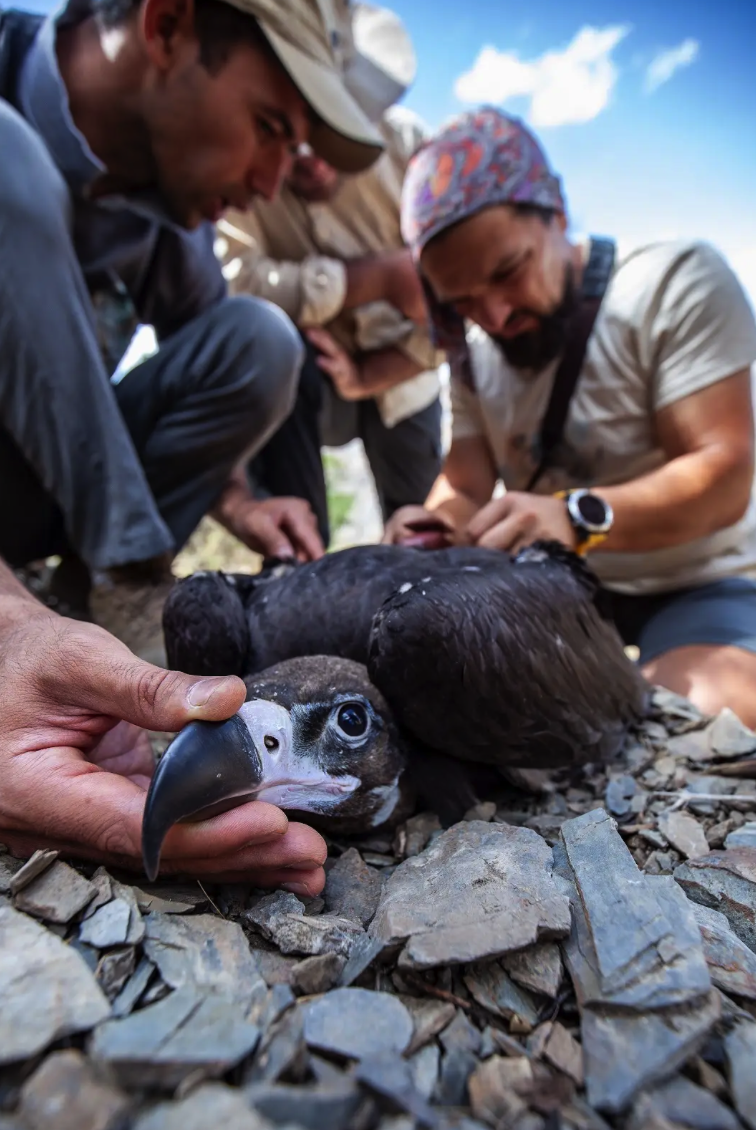
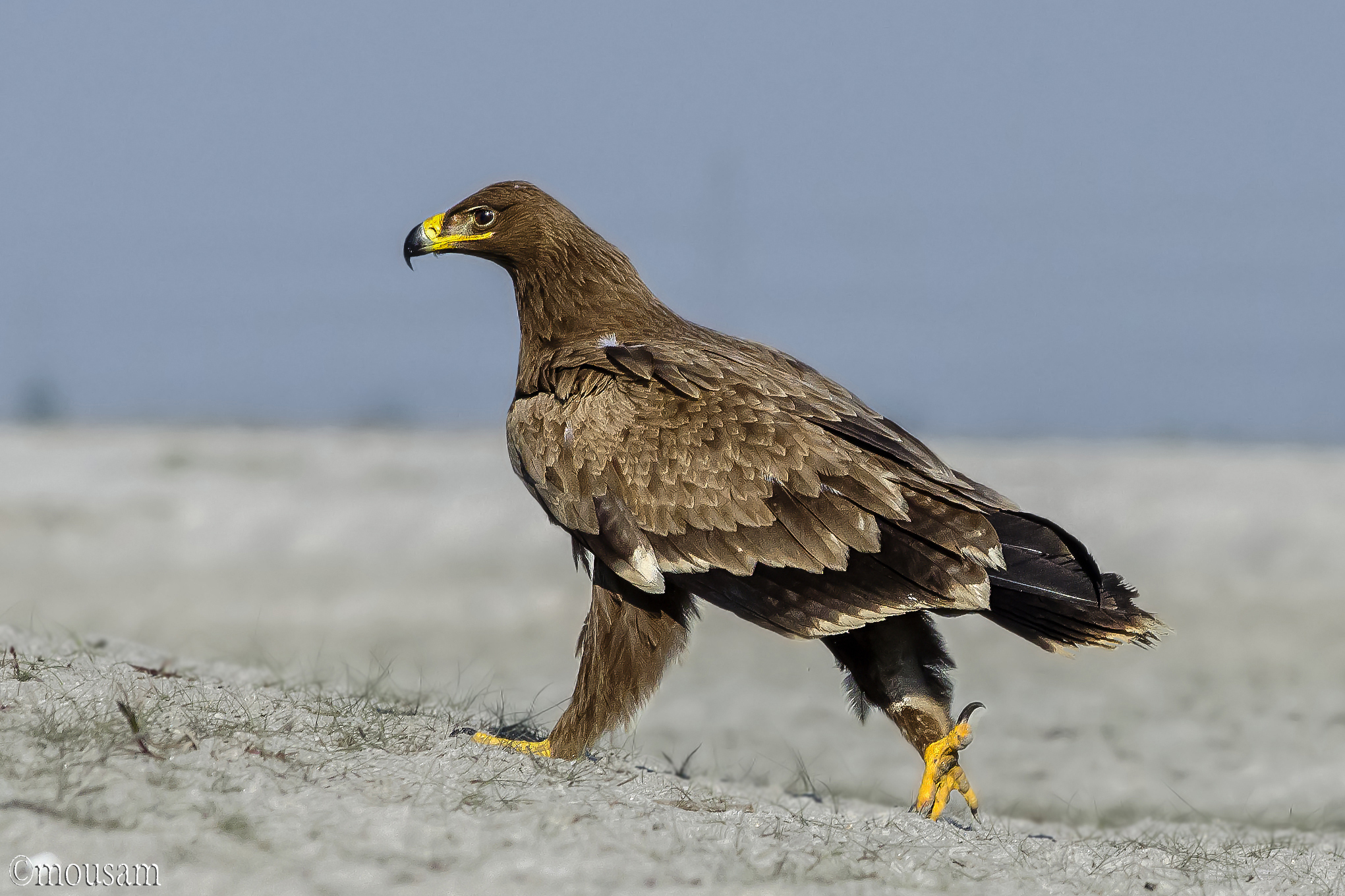
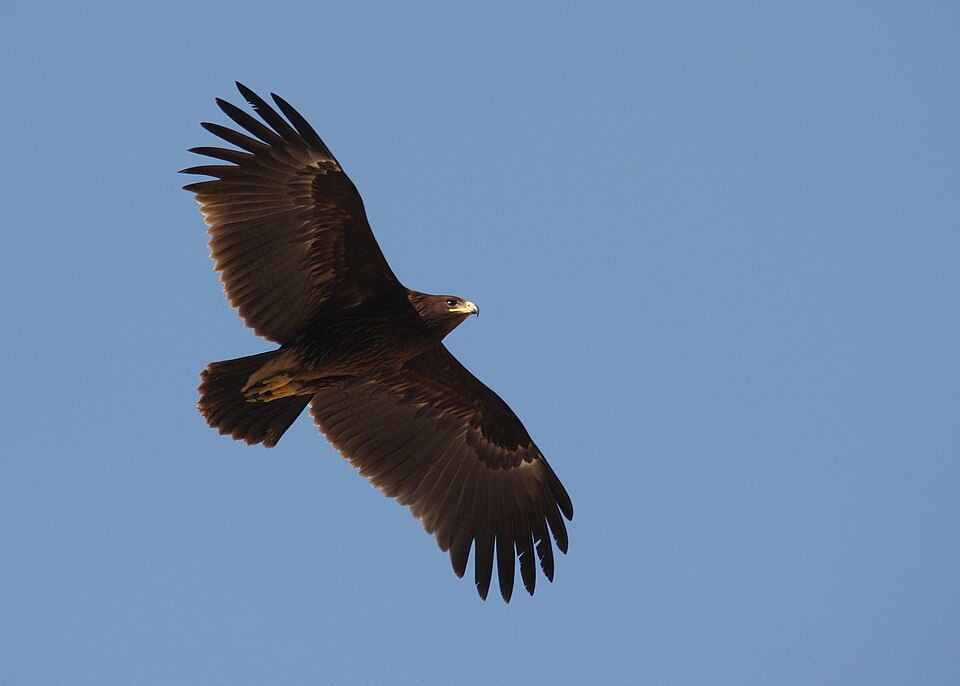
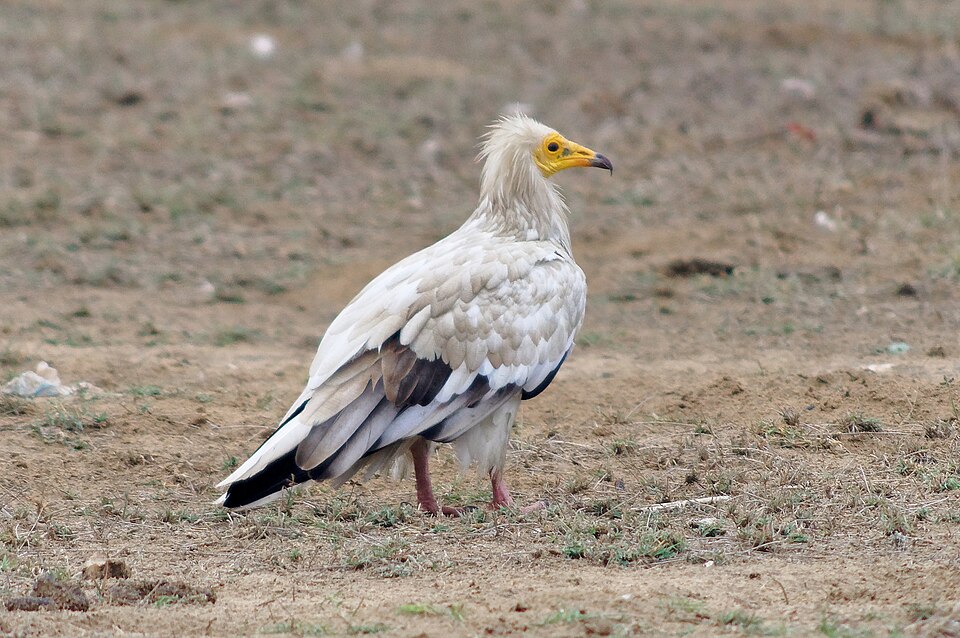
The Egyptian Vulture (Neophron percnopterus) is a small migratory scavenging raptor distributed across southern Europe, North Africa, the Middle East, Central Asia, and the Indian subcontinent. Within the Central Asian Flyway (CAF), the nominate subspecies (N. p. percnopterus) breeds across Central Asia and northwestern India, with northern populations migrating south through the flyway to winter in the Indian subcontinent, while others continue to Africa. In contrast, the Indian subspecies (Neophron percnopterus ginginianus) is a resident breeder across much of the Indian subcontinent. The species inhabits open landscapes, including grasslands, steppes, scrublands, deserts, agricultural areas, and rocky cliffs used for nesting. An opportunistic scavenger, it feeds primarily on carrion but also consumes small vertebrates, insects, eggs, and organic waste, and is notable for its use of tools to break large eggs. Globally classified as Endangered, the species has undergone widespread population declines due to poisoning, electrocution and collisions with power infrastructure, reduced food availability, habitat degradation, and direct persecution, highlighting the need for coordinated conservation efforts across its range. The Egyptian Vulture has long been valued by pastoral communities across parts of the Central Asian Flyway for its ecological role as a natural scavenger that helps maintain healthy landscapes