Wildlife Poisoning
A regional platform for documenting suspected wildlife poisoning incidents, sharing practical safety and response guidance, and connecting evidence, organisations and resources across the Central Asian Flyway.
Overview
Wildlife poisoning is a serious conservation and animal-welfare concern that can affect birds, mammals and other non-target species. Incidents may result from the deliberate placement of poisoned bait, the incorrect or illegal use of pesticides and rodenticides, exposure to contaminated food or water, or the consumption of animal carcasses containing toxic veterinary medicines.
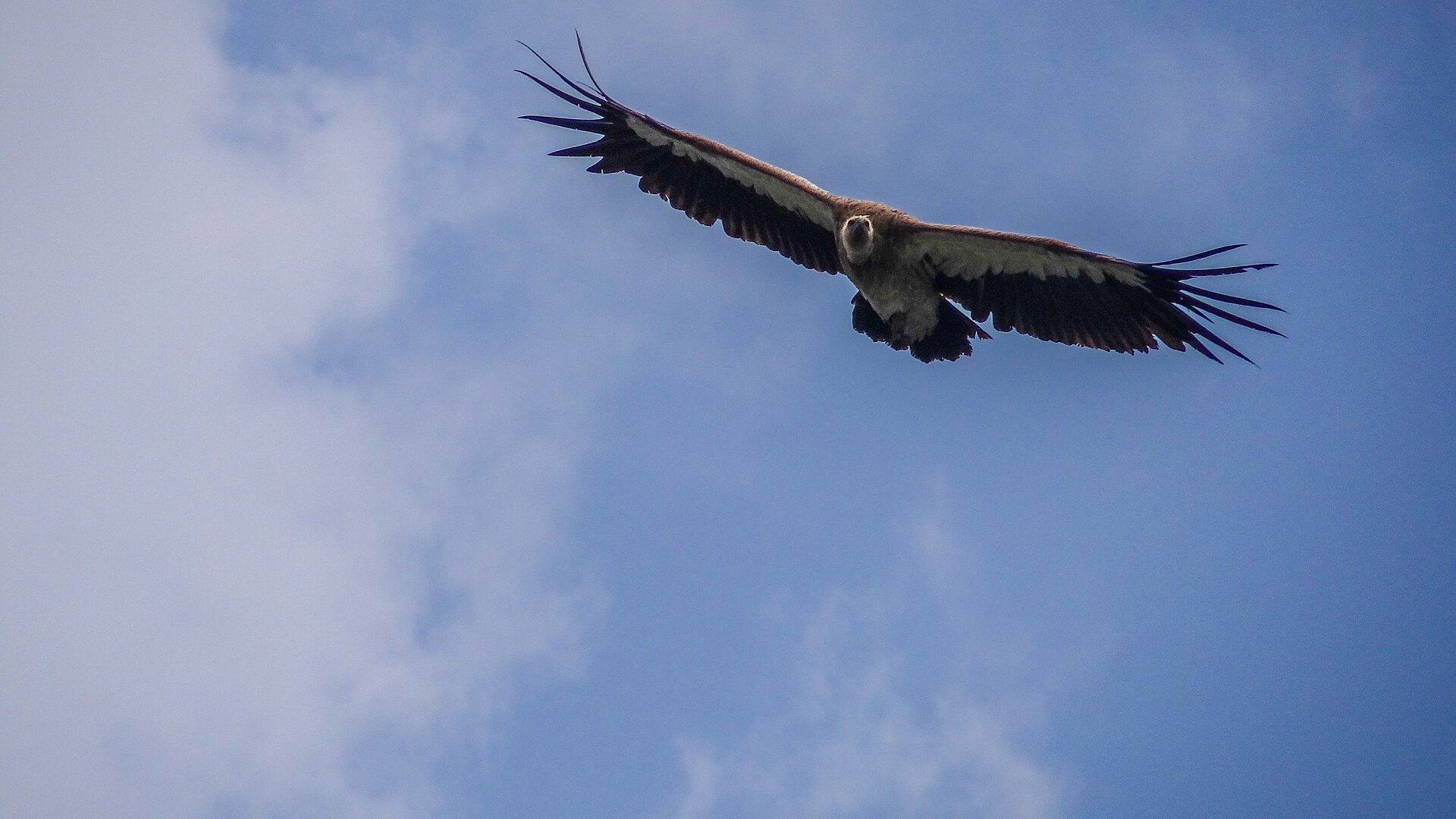
Scavenging birds, particularly vultures and other raptors, are especially vulnerable because they may gather and feed at the same carcass. A single poisoning event can therefore affect several animals and may also create risks for people, livestock and domestic animals.
This portal is being developed to improve access to information, encourage safe reporting, support cooperation between relevant organisations and strengthen the evidence available for prevention and response across the Central Asian Flyway.
Objectives
The Wildlife Poisoning Portal aims to:
provide a central regional entry point for information on suspected wildlife poisoning;
support safe and consistent documentation of poisoning incidents;
improve awareness of the risks posed by poisoned bait, hazardous pesticides, rodenticides and toxic veterinary medicines;
connect conservation organisations, researchers, veterinary specialists and relevant authorities;
make practical guidance, training materials and technical resources easier to find;
support future analysis of poisoning patterns, affected species and priority locations; and
contribute to coordinated prevention, rapid response and evidence-based conservation action.
Poisoning threats and substances
Wildlife poisoning can be intentional or unintentional. Common risk pathways include:
poisoned carcasses or bait placed to kill predators, scavengers or unwanted animals;
agricultural pesticides and insecticides used incorrectly, carelessly or outside their authorised conditions;
rodenticides that poison target animals and may subsequently affect predators and scavengers;
veterinary medicines remaining in the carcasses of treated livestock, including certain non-steroidal anti-inflammatory drugs that are toxic to vultures;
lead fragments present in animals killed with lead ammunition;
contaminated water, soil, food, pesticide containers or improperly disposed chemical waste; and
deliberate poisoning connected with wildlife crime, persecution or illegal trade.
The presence of a dead animal does not by itself prove poisoning. Veterinary examination, field investigation and laboratory analysis may be required to establish the cause.
Reporting suspected poisoning
A useful incident report should record as much accurate information as possible without disturbing the site.
Where it is safe to do so, record:
the date and approximate time of discovery;
the exact or approximate location;
the species or type of animal involved;
the number of dead, sick or affected animals;
any suspected bait, chemical container, granules, unusual food or nearby carcass;
visible signs or circumstances that may help an investigation;
photographs taken from a safe distance;
relevant land use, recent pesticide application or livestock treatment information, where known; and
contact details for follow-up, which should remain confidential unless permission is given to publish them.
A report records a suspected incident. It should not state that poisoning has been confirmed unless this has been established by a competent investigation or laboratory analysis.
Response procedures
Safety comes first.
Do not touch or move dead animals, suspected poison bait, chemical containers or contaminated material.
Keep children, other people, livestock and domestic animals away from the area.
Do not eat, drink or smoke near the suspected incident site.
Avoid walking unnecessarily through the area or disturbing possible evidence.
Record the location and take photographs only from a safe distance.
Contact the competent wildlife, veterinary, environmental or law-enforcement authority as soon as possible.
A live affected animal should be approached or handled only by trained and properly protected personnel.
Do not collect, transport or dispose of a carcass or suspected bait unless instructed by the responsible authority.
If a person may have been exposed to poison, seek urgent medical advice and provide any available information about the suspected substance.
National procedures differ. Instructions from the responsible authority should always take priority.
Resources and guidance
Illegal Killing of Birds
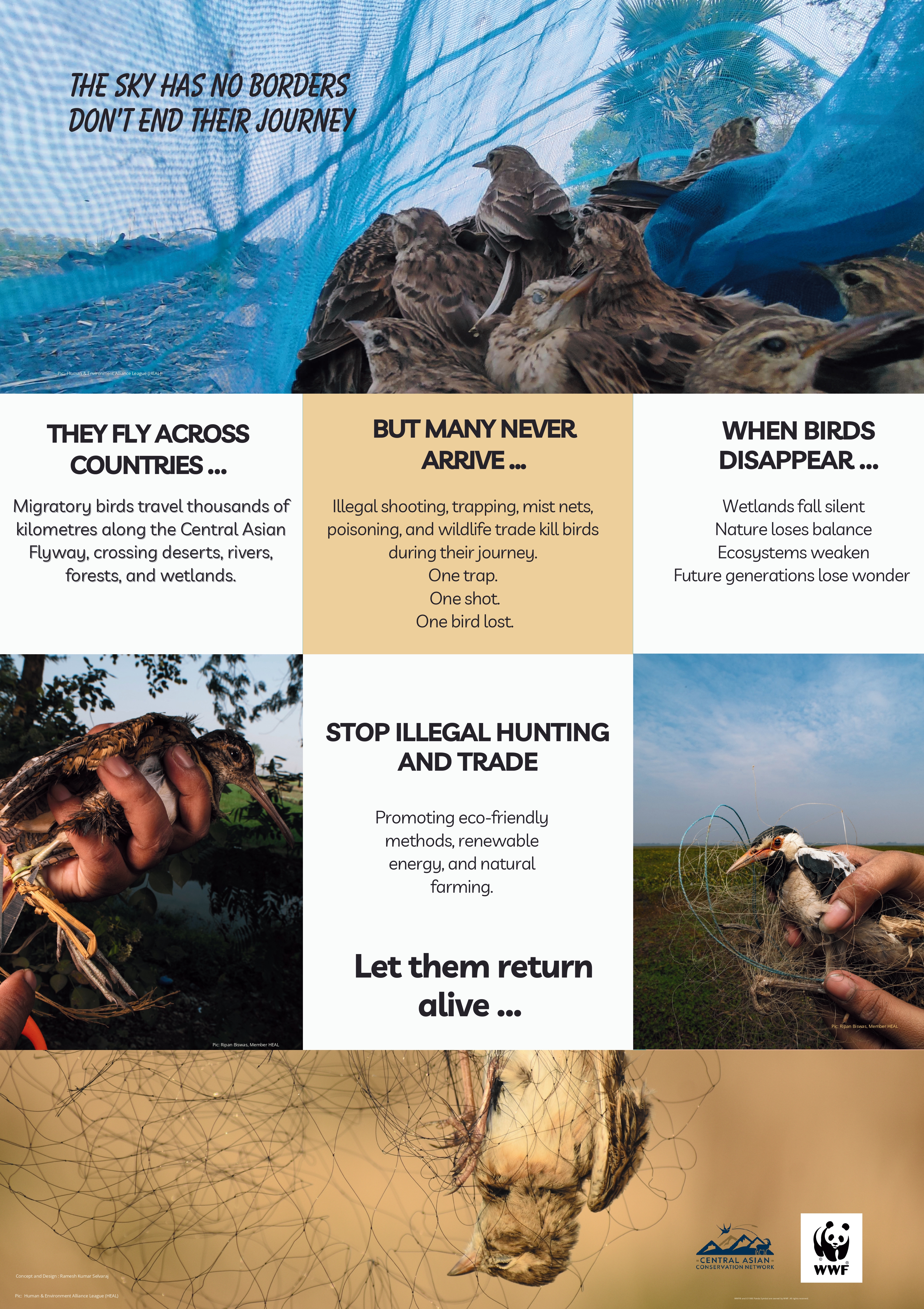
A poster educating about the need to prevent illegal killing of birds in the Central Asian Flyway and beyond.
Webinar – Vultures of the Central Asian Flyway
CACN webinar on Vultures of the Central Asian Flyway.

Webinar: Illegal killing and trade of birds in the Central Asian Flyway
Webinar on illegal killing and trade of birds in the Central Asian Flyway.
International guidance and tools
CMS Vulture Multi-species Action Plan
Official international conservation framework addressing poisoning and other major threats to African-Eurasian vultures.
WHO Classification of Pesticides by Hazard
WHO reference for distinguishing pesticides according to their acute hazard to human health.
FAO Highly Hazardous Pesticides Toolkit
Guidance for identifying and assessing highly hazardous pesticides and reviewing evidence from poisoning incidents and environmental monitoring.