
CAF Digital Hub
Waterbird Ringing and Tracking cover image
All projects
Ongoing
India

Waterbird Ringing and Tracking

Project overview

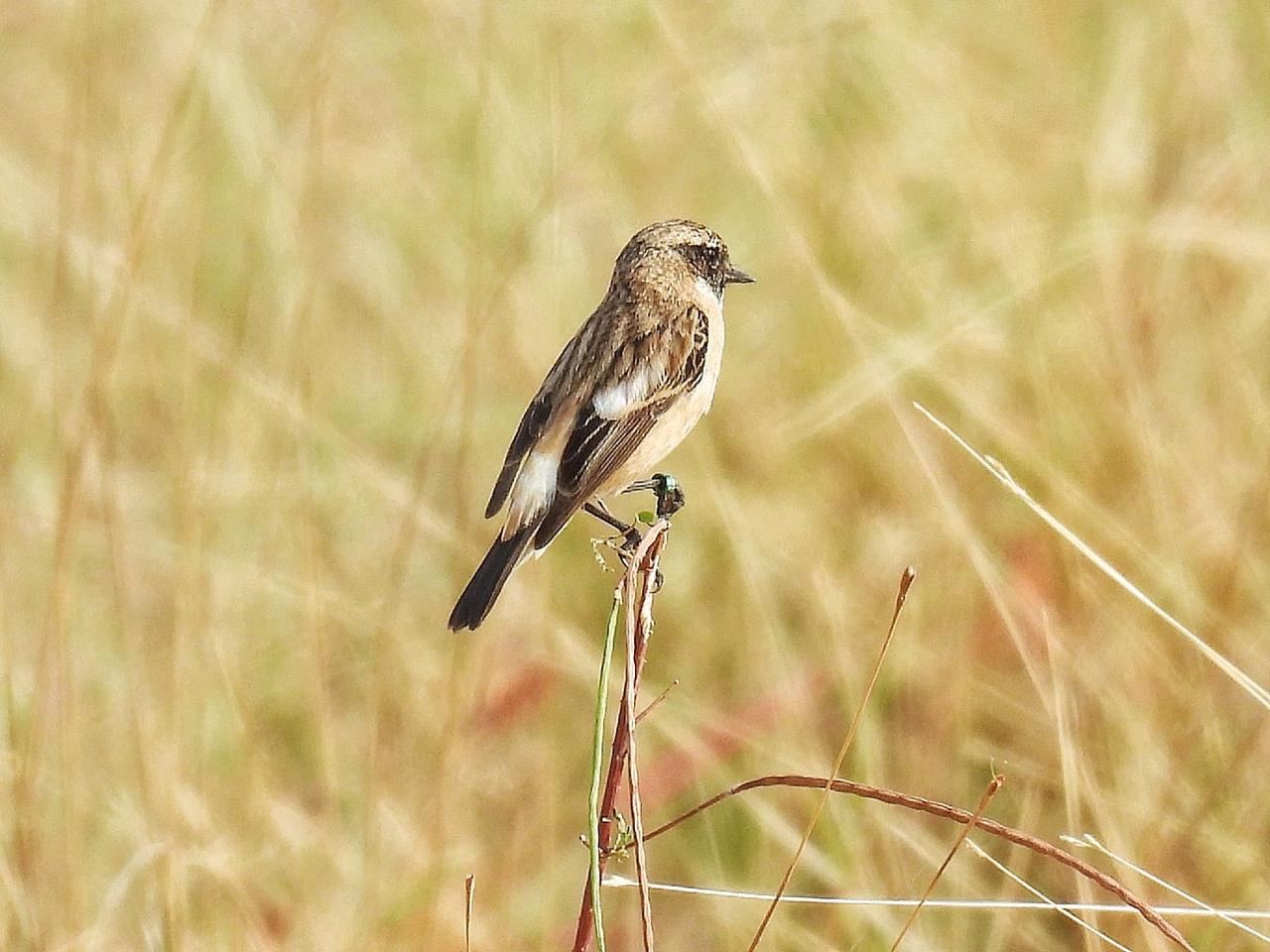
BNHS is the oldest organization working on Ringing and Tagging program in India. The programs are run to study the waterbirds and other birds(land birds -Raptors) to understand the migration ; Disease surveillance and natural history study.

Key outcomes / expected outputs

Understanding the science of migration, species wise migration and effects of migration on birds are studied. A lot of research papers, database on ringing and ring recovery and a book on Migration Atlas published by the BNHS

Geography & target species

Regions / provinces

All India

Project sites

Point Calimer, TamilNadu, Chilika lake, Odisha; Ujani& NandurMadhmeshwar, Maharashtra; Harike Punjab; Rani, Assam

Target species or groups

WaterBirds

Related

More projects you may be interested in

Vulture Conservation Breeding Program project cover
Ongoing
India

Vulture Conservation Breeding Program

Bird Ringing at Various Locations of Gujarat project cover
Ongoing
India

Bird Ringing at Various Locations of Gujarat

Enhancing the conservation of Bishkek’s wetlands by building capacity, raising awareness and demonstrating nature-based conservation measures at the local community level, in accordance with national and international regulatory frameworks on biodiversity conservation. project cover
Ongoing
Kyrgyzstan

Enhancing the conservation of Bishkek’s wetlands by building capacity, raising awareness and demonstrating nature-based conservation measures at the local community level, in accordance with national and international regulatory frameworks on biodiversity conservation.

The aim of the project is to strengthen conservation measures for wetlands within the municipality of Bishkek and in the ‘Northern Chu River Valley Reservoir’ IBA — a valuable peri-urban ecosystem that is under increasing pressure from urban development and human activity. Despite the importance of this site for the breeding and roosting of waterbirds, it is not effectively managed and does not receive the recognition it deserves. The project will trial community-based and nature-oriented solutions, including biodiversity mapping, the establishment of seasonal quiet zones, bioacoustic monitoring and awareness-raising activities. The main focus is on developing an action plan to implement other effective area-based measures for biodiversity conservation (OECMs) in line with the National Biodiversity Strategy and Action Plan (NBSAP), which will contribute to the long-term recognition and management of this site. Expected outcomes include improved environmental awareness, a reduction in human impact across an area of approximately 100 hectares occupied by priority habitats, and the strengthening of multi-stakeholder governance involving all relevant parties. By engaging local communities, volunteers and public authorities, the project will foster a sense of ownership of the area and position biodiversity as a valuable component of the local landscape, thereby contributing to sustainable urban development.

Species ConservationWetland ManagementHabitat Restoration+5