
CAF Digital Hub
Bird Ringing at Various Locations of Gujarat cover image
Photo: Krutarth Purohit
All projects
Ongoing
India
Jan 2023 — Jan 2028

Bird Ringing at Various Locations of Gujarat

Project overview

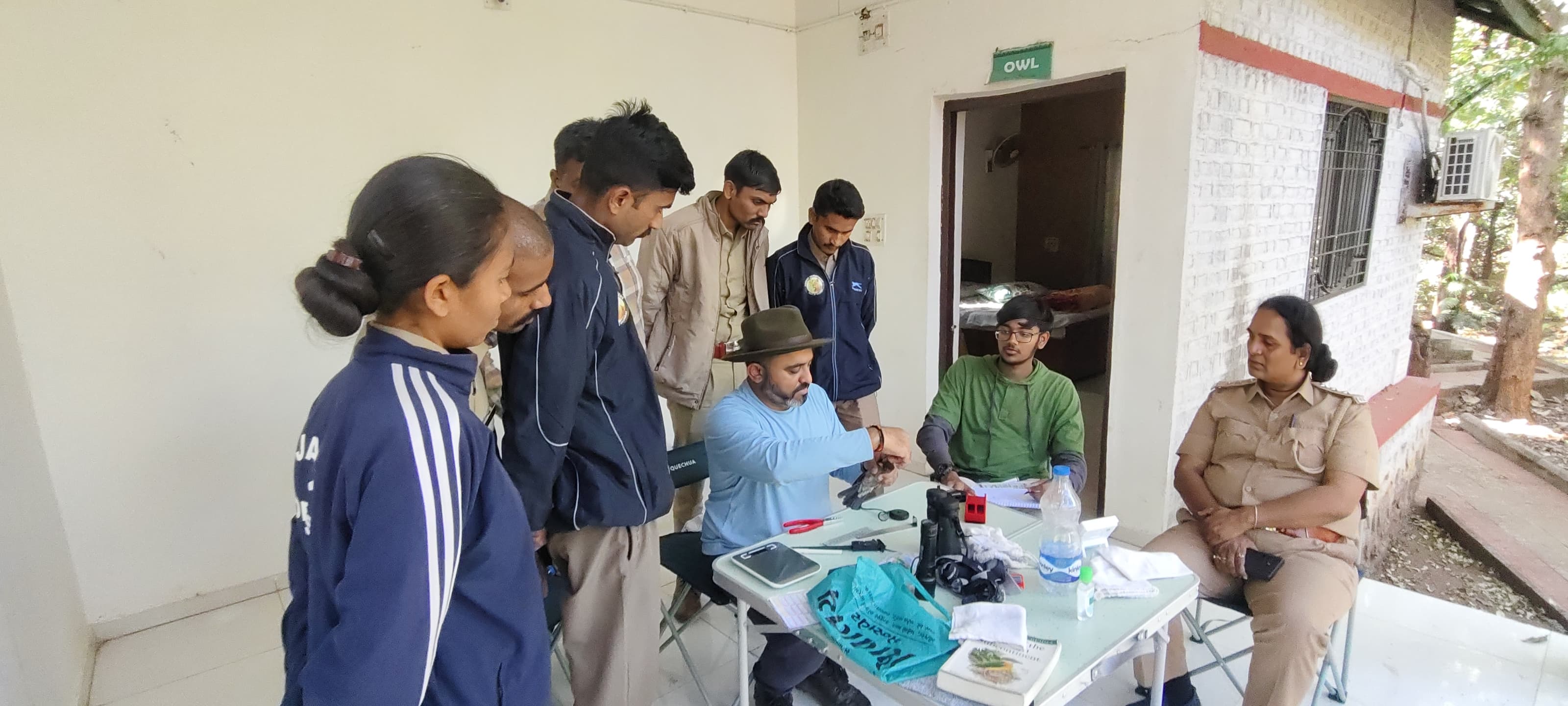
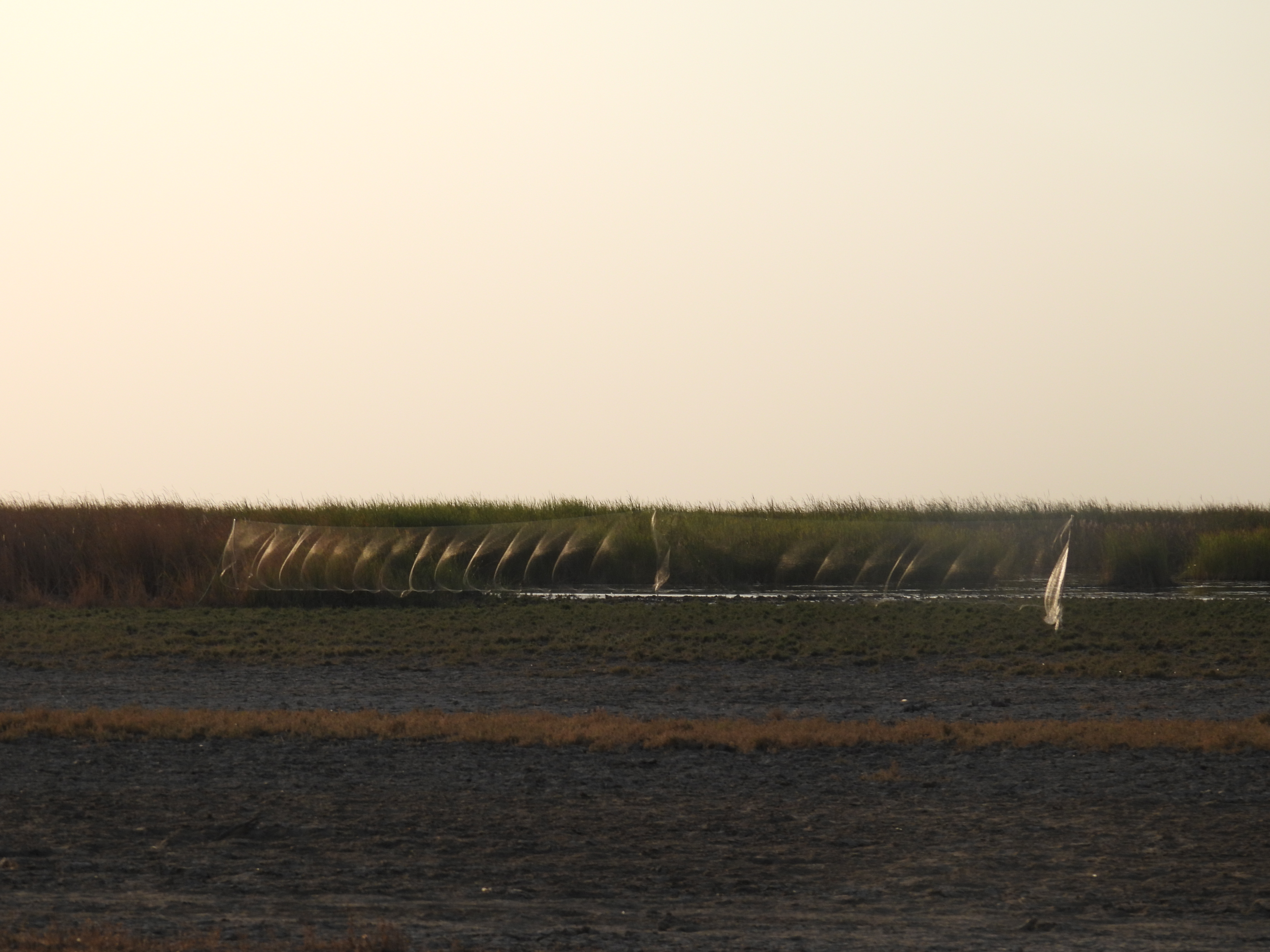
Understanding the migration of terrestrial birds, especially forest and grassland species, is vital for strengthening Gujarat’s conservation efforts. While much research has focused on waterbirds, there is limited knowledge about species like flycatchers, warblers, thrushes, larks, and pipits that travel seasonally from Himalayan regions such as Uttarakhand, Himachal Pradesh, Jammu and Kashmir, and Ladakh to Gujarat. These migratory birds use Gujarat’s diverse habitats—deciduous forests as well as grasslands like Velavadar National Park—as critical wintering grounds, relying on them for food, shelter, and open hunting spaces. To address gaps in existing data, our project introduces a color-coded bird ringing system across six protected locations in Gujarat. Each site is assigned a distinct aluminium alloy ring colour, allowing researchers and observers to instantly identify the origin of a bird. Unlike standard rings, this method provides clear and field-visible information without affecting bird camouflage. This innovation not only tracks individual movement but also enables comparisons between populations across landscapes. By linking migration routes to habitat use through this enhanced system, the project aims to generate more accurate insights into avian ecology. Ultimately, these findings will guide habitat protection strategies and ensure sustainable conservation of Gujarat’s migratory forest and grassland birds.
Key outcomes / expected outputs

First comprehensive dataset on migration of forest and grassland birds (flycatchers, warblers, thrushes, larks, pipits and other terrestrial bird groups) into Gujarat. Seasonal patterns, stopover sites, and habitat preferences will be scientifically documented. Creation of a robust database linking bird movement to specific habitats. Identification of critical habitats (deciduous forests, grasslands, wetlands) that support migratory populations. Establishment of Gujarat as a key monitoring hub for terrestrial bird migration in India. A replicable model of color-coded ringing that can be scaled to other states.

Geography & target species

Regions / provinces

Gujarat

Project sites

Ratanmahal WLS, Shoolpaneshwer WLS, Velavadar BNP, Wadhvana, Thol and Wetlands of Anand and Nadiad

Target species or groups

Mainly Forest and Grassland Birds (Non-Schedule 1 Species as per WPA) including Flycatchers, Warblers, Lark, Wagtails, Chats, Pipits, Wheatears, Shrikes and others

Gallery

Bird Ringing at Various Locations of Gujarat gallery image 1
Photo: Gani Sama
Bird Ringing at Various Locations of Gujarat gallery image 2
Photo: Dr. Bhavik Patel
Related

More projects you may be interested in

Waterbird Ringing and Tracking project cover
Ongoing
India

Waterbird Ringing and Tracking

Vulture Conservation Breeding Program project cover
Ongoing
India

Vulture Conservation Breeding Program

Enhancing the conservation of Bishkek’s wetlands by building capacity, raising awareness and demonstrating nature-based conservation measures at the local community level, in accordance with national and international regulatory frameworks on biodiversity conservation. project cover
Ongoing
Kyrgyzstan

Enhancing the conservation of Bishkek’s wetlands by building capacity, raising awareness and demonstrating nature-based conservation measures at the local community level, in accordance with national and international regulatory frameworks on biodiversity conservation.

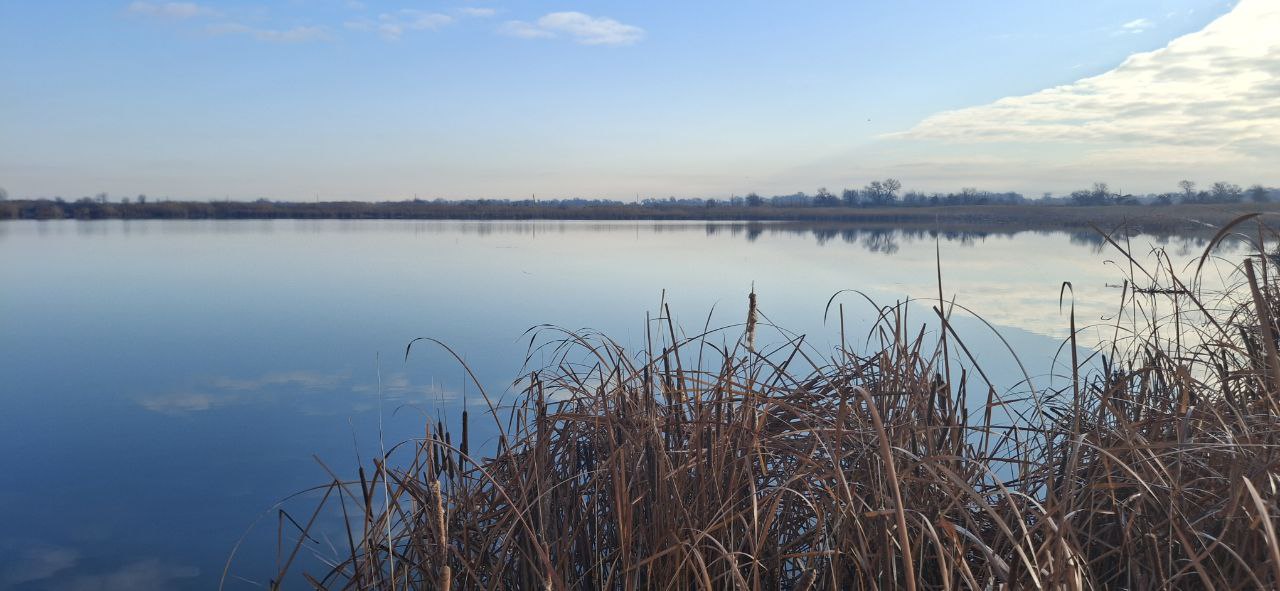
The aim of the project is to strengthen conservation measures for wetlands within the municipality of Bishkek and in the ‘Northern Chu River Valley Reservoir’ IBA — a valuable peri-urban ecosystem that is under increasing pressure from urban development and human activity. Despite the importance of this site for the breeding and roosting of waterbirds, it is not effectively managed and does not receive the recognition it deserves. The project will trial community-based and nature-oriented solutions, including biodiversity mapping, the establishment of seasonal quiet zones, bioacoustic monitoring and awareness-raising activities. The main focus is on developing an action plan to implement other effective area-based measures for biodiversity conservation (OECMs) in line with the National Biodiversity Strategy and Action Plan (NBSAP), which will contribute to the long-term recognition and management of this site. Expected outcomes include improved environmental awareness, a reduction in human impact across an area of approximately 100 hectares occupied by priority habitats, and the strengthening of multi-stakeholder governance involving all relevant parties. By engaging local communities, volunteers and public authorities, the project will foster a sense of ownership of the area and position biodiversity as a valuable component of the local landscape, thereby contributing to sustainable urban development.

Species ConservationWetland ManagementHabitat Restoration+5