
CAF Digital Hub
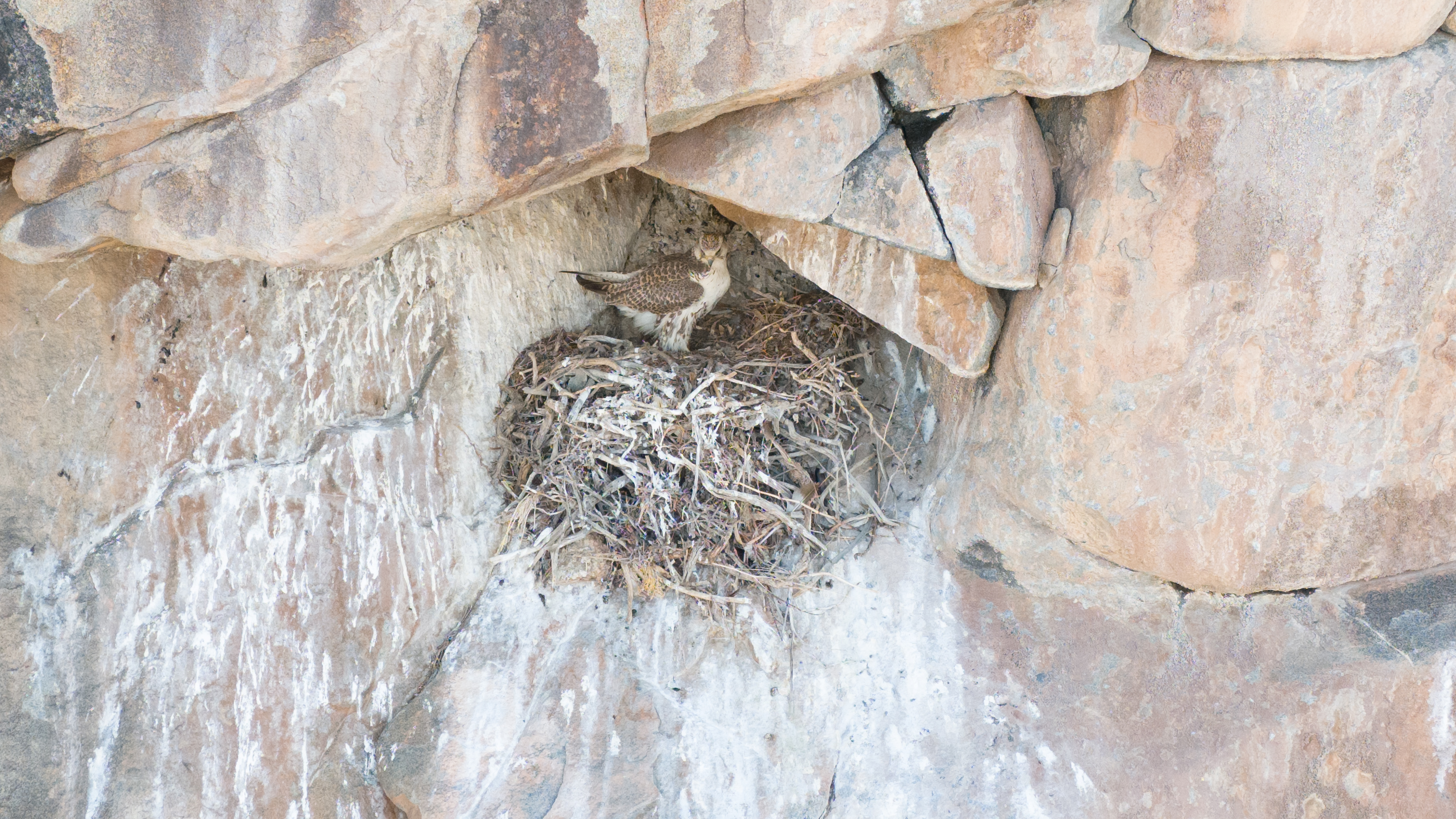
Khovd Bird Ringing Station cover image
All projects
Ongoing
Mongolia
Jan 2019 — present

Khovd Bird Ringing Station

Project overview

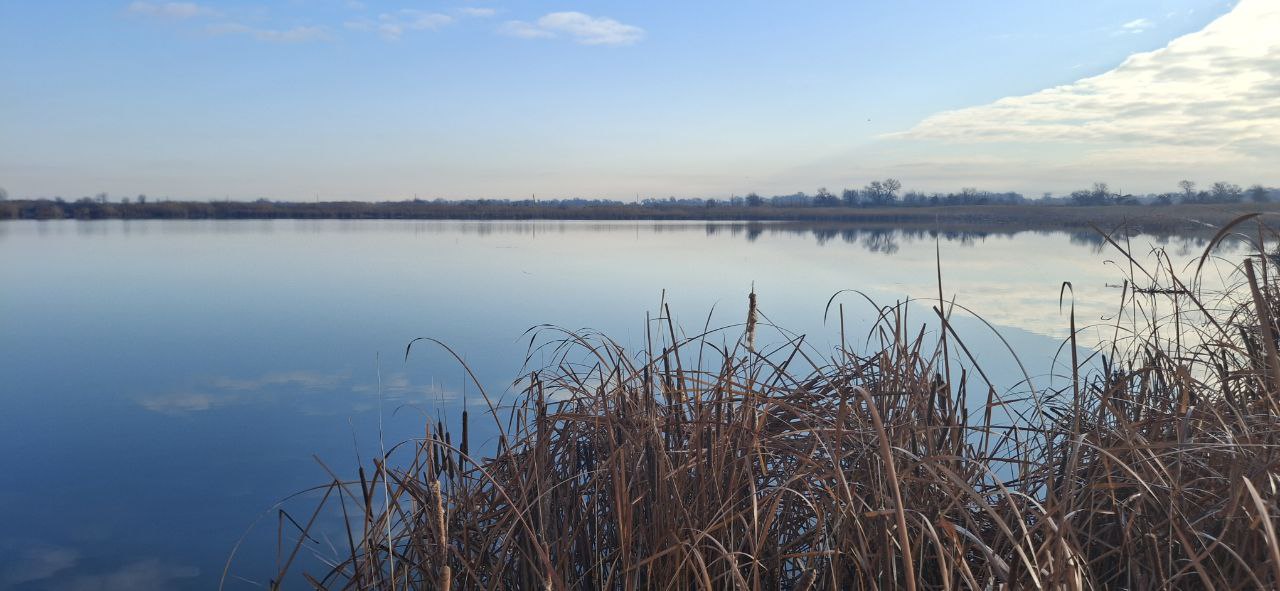
The Khovd BRS is located on the west bank of Tugrug River, 2 km north of the village Mankhan, Khovd province (N 47.441576°; E 92.228140°). This location is very attractive to songbirds during migration when as they crossing the wide semi-desert and arid steppe landscapes of western Mongolia. There are stands of willows (Salix sp.), Poplar trees (Populus sp.), and Sea Buckthorn (Hippophae rhamnoides) bushes running north-south direction providing ideal hiding and feeding places for birds during migration. Also, the station is in the southwest corner of the Khar-Us Lake National Park, which contains the third biggest lake of Mongolia. Most birds passing through this site fly in a westward direction, whereas the rest of migrant's head to south and southeast to the direction of the Gobi Desert
Key outcomes / expected outputs

Monitoring data, training events, public outreach and publications

Geography & target species

Regions / provinces

Central Asian Flyway

Project sites

Mankhan village, Khovd Province

Target species or groups

Landbirds, Passerines

Related

More projects you may be interested in

Enhancing the conservation of Bishkek’s wetlands by building capacity, raising awareness and demonstrating nature-based conservation measures at the local community level, in accordance with national and international regulatory frameworks on biodiversity conservation. project cover
Ongoing
Kyrgyzstan

Enhancing the conservation of Bishkek’s wetlands by building capacity, raising awareness and demonstrating nature-based conservation measures at the local community level, in accordance with national and international regulatory frameworks on biodiversity conservation.

The aim of the project is to strengthen conservation measures for wetlands within the municipality of Bishkek and in the ‘Northern Chu River Valley Reservoir’ IBA — a valuable peri-urban ecosystem that is under increasing pressure from urban development and human activity. Despite the importance of this site for the breeding and roosting of waterbirds, it is not effectively managed and does not receive the recognition it deserves. The project will trial community-based and nature-oriented solutions, including biodiversity mapping, the establishment of seasonal quiet zones, bioacoustic monitoring and awareness-raising activities. The main focus is on developing an action plan to implement other effective area-based measures for biodiversity conservation (OECMs) in line with the National Biodiversity Strategy and Action Plan (NBSAP), which will contribute to the long-term recognition and management of this site. Expected outcomes include improved environmental awareness, a reduction in human impact across an area of approximately 100 hectares occupied by priority habitats, and the strengthening of multi-stakeholder governance involving all relevant parties. By engaging local communities, volunteers and public authorities, the project will foster a sense of ownership of the area and position biodiversity as a valuable component of the local landscape, thereby contributing to sustainable urban development.

Species ConservationWetland ManagementHabitat Restoration+5
Demonstrating the mortality caused by powerlines in the Chuy valley project cover
Ongoing
Kyrgyzstan

Demonstrating the mortality caused by powerlines in the Chuy valley

Baseline powerline surveys in the IBA "water reservation of the northern Chu valley", to gather evidence on powerline induced mortality for enhance political advocacy and action.

Bird Collision Prevention
Raptors in Central Asia: Trade and local use impact assessment project cover
Ongoing
Kyrgyzstan

Raptors in Central Asia: Trade and local use impact assessment

Extensive study on illegal trade of three species of birds of prey in Central Asia

Species ConservationPolicy & Advocacy