Overview
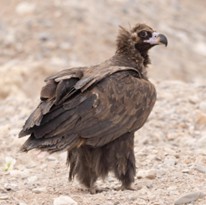
The Vultures Working Group of the Central Asian Conservation Network (CACN) coordinates conservation efforts for Old World vultures across the Central Asian Flyway (CAF). The Working Group brings together researchers, conservation organisations, and government partners to address shared threats, improve monitoring, and strengthen transboundary collaboration for vulture conservation. The Working Group works in collaboration with the Central Asian Vultures Project (www.centralasianvultures.org) and other vulture conservation initiatives.
Why Vultures Matter
Vultures play a critical ecological role as nature’s clean-up specialists, rapidly removing animal carcasses and reducing the spread of disease. Declines in vulture populations can have serious ecological, economic, and public health consequences. The CAF supports important breeding, migration, and wintering areas for several vulture species, many of which are globally threatened or declining.
Key Challenges
- Poisoning from veterinary drugs, pesticides, and poisoned carcasses
- Habitat loss and disturbance at nesting and foraging sites
- Collisions and electrocution from energy infrastructure
- Limited coordinated monitoring and population data across the flyway
- Weak cross-border coordination for wide-ranging species
Working Group Priorities
- Improve knowledge of vulture distribution, population trends, and threats
- Support coordinated monitoring and data sharing across CAF countries
- Address poisoning risks through awareness, policy engagement, and mitigation
- Promote bird-safe energy infrastructure and risk mapping
- Strengthen links with global and regional initiatives, including CMS, Raptors MoU, and SAVE
Looking Ahead
The Vultures Working Group aims to reverse population declines by advancing coordinated, science-based, and policy-relevant conservation action across the Central Asian Flyway, ensuring that vultures continue to provide their vital ecological services.
Contact
For information about this working group, please contact the Working Group Coordinator, Ms Lusine Aghajanyan at lusin.aghajanyan(at)gmail.com.